
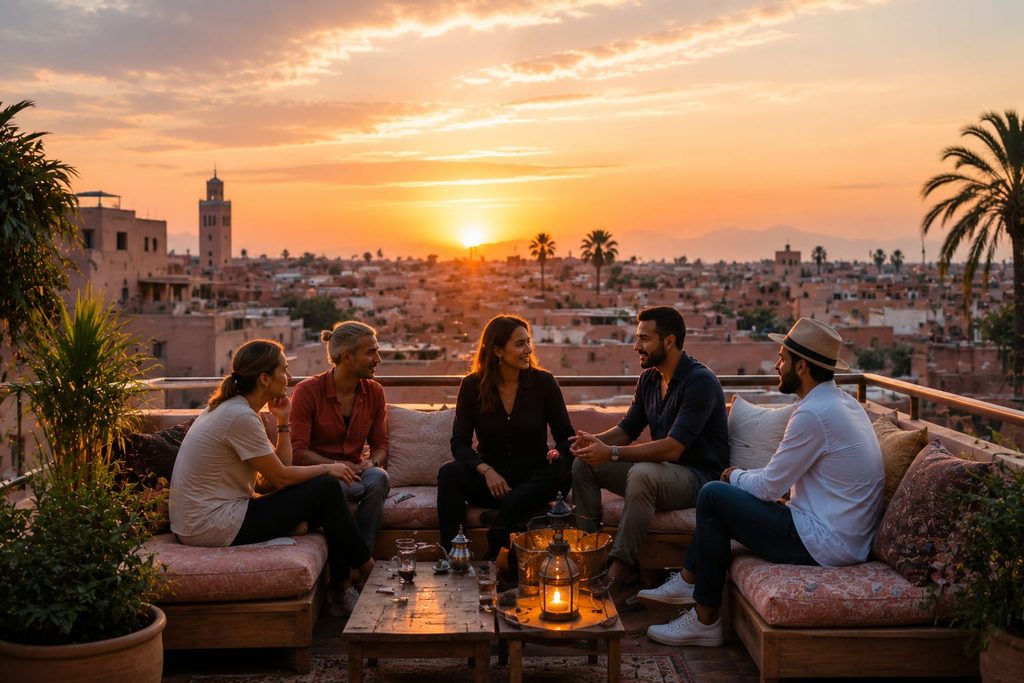
For decades, the hotel industry was built around a simple promise: provide a comfortable room, excellent service, and a memorable stay.
Today, that promise is evolving. Travelers are no longer looking only for a place to sleep. Increasingly, they are looking for places where they can connect, discover, participate, and feel a sense of belonging.
This shift is giving rise to one of the most important trends in modern hospitality: community-driven hotels.
From boutique hotels and social living concepts to hybrid hospitality spaces, the industry is moving beyond traditional accommodation and creating environments where guests can interact with one another, connect with local culture, and become part of something bigger than their room.
From Guests to Participants
Traditional hospitality often treats the guest journey as a series of services: check-in, accommodation, breakfast, housekeeping, and check-out.
Community-driven hospitality takes a different approach.
The guest is not simply a customer. They become a participant in an experience.
A hotel can create this feeling through shared spaces, cultural activities, workshops, communal dining, networking events, rooftop gatherings, wellness sessions, or simply thoughtfully designed areas where people naturally meet.
The Rise of the Social Traveler
Modern travelers are increasingly diverse. They include remote workers, entrepreneurs, digital nomads, solo travelers, creatives, young professionals, couples, and international visitors looking for authentic experiences.
For many of these travelers, the quality of the room is important, but it is only one part of the experience. A beautifully designed room can provide comfort.
A strong community can create memories.
Someone traveling alone may appreciate having a welcoming common area where they can meet other travelers.
A remote worker may value a hotel where they can work during the day and connect with people in the evening. An entrepreneur may discover a new business relationship through an informal conversation over coffee. These moments can transform a short hotel stay into a meaningful experience.
Why Shared Spaces Matter
Instead of focusing exclusively on private rooms, many modern hospitality concepts are investing in shared environments.
Think of:
- Comfortable lounges
- Rooftop terraces
- Co-working areas
- Communal dining spaces
- Coffee shops
- Libraries
- Wellness areas
- Event spaces
- Creative studios
- Outdoor gardens
These spaces encourage guests to spend more time outside their rooms.
More importantly, they create opportunities for interaction.
The common area becomes more than an amenity. It becomes the social heart of the property.
Community Creates a Stronger Guest Experience
Technology can simplify booking. Digital check-in can make arrival faster. Artificial intelligence can personalize recommendations. But the human element remains one of the most powerful aspects of travel. Community adds another layer to that human experience.
A guest might remember the receptionist who recommended a hidden restaurant, the traveler they met during breakfast, the local artist they discovered at an event, or the conversation they had on a rooftop at sunset. These experiences are difficult to replicate through technology. They are emotional, spontaneous, and personal. And that is precisely what makes them valuable.
Connecting Guests With Local Culture
Community-driven hospitality is not only about connecting travelers with each other.
It is also about connecting travelers with the destination itself.
Hotels can become bridges between visitors and local communities by introducing guests to local food, artists, designers, entrepreneurs, craftspeople, musicians, and cultural traditions.
Imagine a hotel hosting a Moroccan cooking experience, inviting local artisans for a creative workshop, organizing a neighborhood walking tour, or creating a small exhibition featuring emerging artists.
The hotel becomes becomes a gateway to the destination.
This is particularly powerful in destinations with strong cultural identities such as Marrakech, where architecture, cuisine, craftsmanship, history, and contemporary creativity can all become part of the guest experience.
Community Can Strengthen Hotel Brands
For hotel owners and operators, community is not simply a lifestyle concept.
It can also become a powerful brand strategy.
Hotels compete in an increasingly crowded market. Beautiful rooms and good service are no longer enough to guarantee differentiation. A strong sense of community can give a property a distinctive identity.
Instead of saying:
“We offer comfortable accommodation.”
A hotel can communicate:
“We create a place where interesting people meet, experiences are shared, and travelers feel at home.”
That difference can influence how guests perceive the brand. It can also encourage guests to share their experiences online, return to the property, recommend it to friends, and become part of the hotel’s long-term community.
The Business Value of Belonging
When guests feel connected to a property, they may spend more time on-site and interact with more of its services.
A guest who spends time in a hotel lounge may order coffee. Someone attending an event may discover the restaurant. A remote worker may purchase a longer stay. A traveler who becomes attached to the community may return on their next trip.
Community can therefore support multiple revenue opportunities, including:
Accommodation + Food & Beverage + Events + Coworking space + Experiences + Wellness
The hotel evolves from a room-based business into a broader hospitality ecosystem.
Community Doesn’t Mean One Hotel Model
There is no single formula for creating a community-driven hotel.
for some properties, it may mean a small boutique hotel with an intimate atmosphere.
about others, it could mean a social living concept combining accommodation, coworking, events, and communal spaces.
in side luxury property, community might be built through exclusive cultural experiences and carefully curated events.
an urban hotel, it could involve opening its restaurant, café, or event spaces to local residents.
The concept should reflect the identity of the property and the expectations of its audience.
Authenticity matters.
Guests can recognize when community is genuinely part of a hotel’s culture, and when it is simply a marketing slogan.
The Role of Events
Events are becoming an important tool for creating hotel communities.
A property can organize:
- Networking evenings
- Masterclasses
- Wellness sessions
- Live music
- Art exhibitions
- Cultural workshops
- Business events
- Food experiences
- Creative meetups
- Local community gatherings
These activities give guests a reason to interact.
They can also attract local residents, transforming the hotel into a place that participates in the life of the destination rather than operating separately from it.
This creates a two-way relationship between the hotel and its surrounding community.
Technology Can Support Community But Not Replace It
Hotels can use digital platforms to communicate with guests, recommend activities, promote events, facilitate bookings, and help people discover experiences happening within the property.
However, technology should support human connection rather than replace it.
The strongest hospitality experiences often happen offline.
A conversation.
A shared meal.
A spontaneous introduction.
A local recommendation.
A new friendship.
Technology can create the opportunity.
People create the connection.
Community Is Especially Powerful for Longer Stays
The community model becomes even more relevant as travelers increasingly combine work and travel.
Remote workers and digital nomads may stay for weeks or months rather than just a few nights.
For these guests, the question changes from:
“Is this a good hotel?”
to:
“Can I imagine living here for a while?”
Reliable Wi-Fi, comfortable workspaces, communal areas, wellness facilities, social activities, and a welcoming atmosphere can make a significant difference.
The property becomes a temporary home rather than simply a temporary bed.
The Future of Hospitality Is More Human
The future of hospitality will undoubtedly involve more technology, personalization, sustainability, and operational innovation.
But alongside these developments, one principle will remain essential:
People want to feel that they belong.
Hotels have an opportunity to respond by creating spaces that bring people together—not by forcing interaction, but by designing environments where connection becomes natural.
The hotel of the future may not simply be a place where travelers stay.
It may be a place where they meet, work, create, learn, eat, explore, and belong.
And that is why community is becoming one of the most significant trends shaping modern hospitality.
The next generation of successful hospitality brands may not compete only on rooms, rates, or amenities.
They will compete on something much harder to replicate:
the feeling of being part of something.