
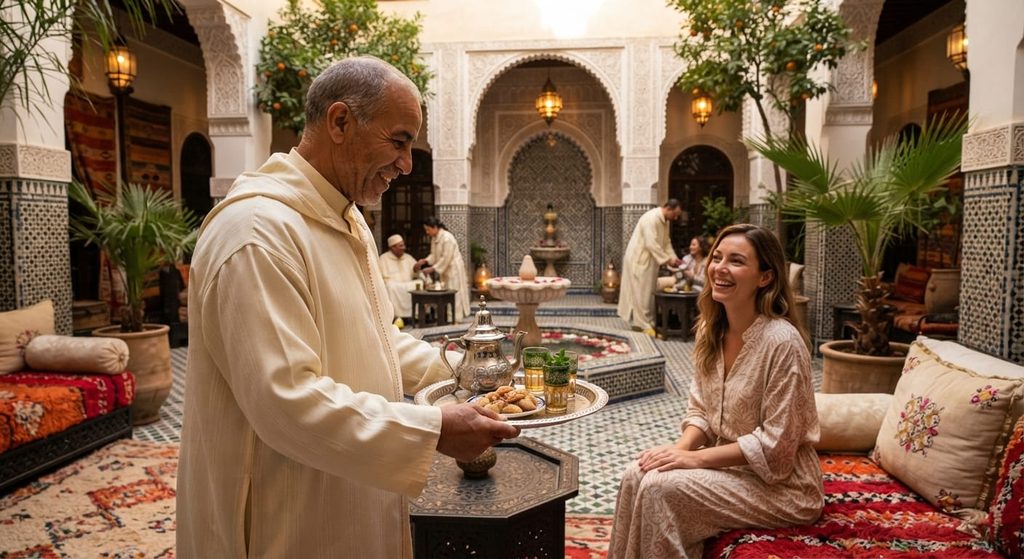
Remember the days of standing in a sprawling lobby queue, clutching a paper confirmation email, waiting for a front-desk agent to hand over a demagnetized plastic key card? By the time 2030 rolls around, those rituals will feel like relics from a bygone era.
The hospitality landscape is shifting beneath our feet. Driven by rapid leaps in artificial intelligence, shifting work habits, and an uncompromising demand for ecological accountability, the hotel of tomorrow is no longer just a place to sleep. It is a living, breathing, hyper-personalized ecosystem.
What exactly will travelers demand when they check into the hotels of 2030? Let’s look at the core expectations shaping the next generation of hospitality.
1. Hyper-Personalization at Scale (Beyond the Profile Form)
One-size-fits-all hospitality is officially obsolete. By 2030, guests will expect hotels to know their preferences before they even cross the threshold, driven by privacy-compliant AI and deep data analytics.
- The Anticipatory Room: Imagine walking into your suite and having the lighting automatically adjust to your circadian rhythm, your preferred playlist stream softly through spatial audio, and the minibar pre-stocked with your exact snack and beverage preferences.
- Seamless Recognition: Staff won’t need to look up booking numbers. Rich, secure guest profiles will allow team members to greet visitors by name, seamlessly catering to dietary requirements or specialized pillows without a prompt.
2. Frictionless, Invisible Technology
Technology is at its best when you don’t notice it working. In 2030, high-tech features will completely fade into the background, replacing clunky apps and tangled wires with seamless, ambient experiences.
- Biometric Journeys: Front-desk queues will vanish entirely. Biometric identification such as face or mobile-integrated verification will unlock rooms and authorize services the moment you arrive.
- Zero-Wait Access: Room allocation will happen dynamically during a guest’s transit to the property, meaning your space is ready the minute you step out of your transport, regardless of traditional check-in hours.
3. Sustainability as a Non-Negotiable Baseline
Eco-consciousness is no longer a marketing “perk” or an optional green checkbox; it is a fundamental license to operate. Travelers particularly younger generations will scrutinize the environmental DNA of where they stay.
- Closed-Loop Operations: Expect hotels to feature zero single-use plastics, advanced greywater recycling, and on-site vertical hydroponic farming that supplies the restaurant with hyper-local, ultra-low-carbon produce.
- Biophilic Architecture: Design will heavily lean into nature-infused spaces that optimize natural light, improve indoor air quality, and deeply connect the indoor environment with the local landscape.
4. The Rise of Hybrid “Bleisure” and Fluid Spaces
The rigid dividing line between business travel and leisure has officially dissolved. With remote and hybrid work deeply embedded globally, modern nomads and “bleisure” travelers need accommodations that adapt to their schedules.
- Morphing Rooms: A hotel room in 2030 isn’t static. Modular furniture and smart partitions allow a daytime workspace equipped with professional video-conferencing setups to effortlessly transform into a relaxing evening lounge or a restful sleep sanctuary.
- Co-Living Communities: Properties are increasingly functioning as lifestyle hubs
- blending co-working lounges by day with vibrant social, cultural, and networking spaces by night.
5. Holistic Well-Being and Mental Rejuvenation
Vacations used to mean coming home needing a rest from your trip. By 2030, travelers expect a net-positive impact on their mental and physical health.
- Mindful Stays: Wellness goes far beyond a basement gym or a standard spa menu. Hotels are integrating sleep-enhancing acoustics, in-room meditation guides, circadian lighting setups, and mental health retreats tailored to combat burnout.
The Bottom Line
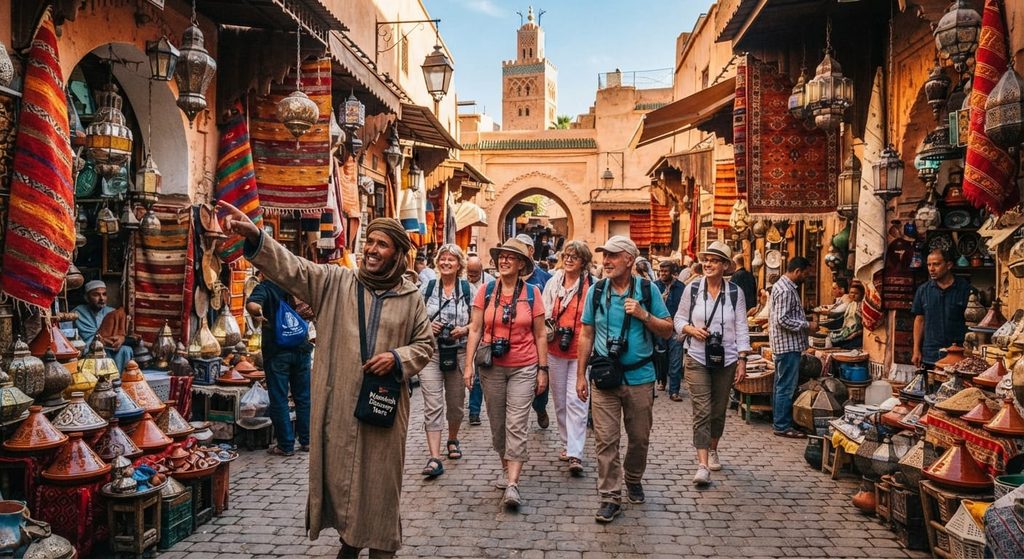
The winning hotels in 2030 won’t be those with the flashiest gadgets or the coldest, most automated systems. Instead, the ultimate standard of luxury will be a strategic harmony between smart technology and authentic human empathy. By letting AI handle the friction and administrative weight, human staff will be freed up to do what they do best: connect, care, and create unforgettable moments.
How is your favorite travel destination or preferred hotel brand adapting to these upcoming shifts?